All Work and No Play — OK, Maybe Just a Little Play

If you have that preconceived concept, as I once did, that scientists do nothing all day but merrily toil in their labs, pour ambiguous neon liquids from one beaker to the next and jot incomprehensible equations on a blackboard, well, sorry. That’s fiction.

The truth is that being a scientist can be a downright stressful gig.

Before they can pursue the undiscovered, they have to pursue funding so that they can actually perform the research that’s expected of them. Whenever they do don the stereotypical but regulation-required white lab coat, it’s usually to do the same tedious, non-glitzy experiment multiple times with the hope of coming up with some sort of data worth publishing. Those world-changing discoveries are few and far in between, and even then, more follow-up research must be done, which of course means more grants must be secured. It’s a vicious cycle.

Most of them also teach courses each semester, which involves a fresh new realm of stress. On top of everything else, they have to somehow squeeze in the time to create and plan lectures, hold student office hours and grade assignments and exams. (By the way, scientists and lab techs are among the heaviest coffee drinkers in the U.S.)

Breathing down their necks are supervisors wanting publications, students wanting help with homework and the rest of the world wanting answers to a laundry list of questions on everything from the cosmos to cures. They have obligations to fulfill and deadlines to meet. Normal work hours and weekends are never guaranteed.

To put it bluntly, being a scientist is demanding career. Thankfully, the scientists at Texas A&M, are able to find ways to smile through it all, no matter how strenuous it gets. It’s that whole ‘all work, no play’ notion, and big surprise, they excel at that, too. Here’s a lighthearted look at some of our faculty finding joy in the job(s) they do so well.

Angel in Flight

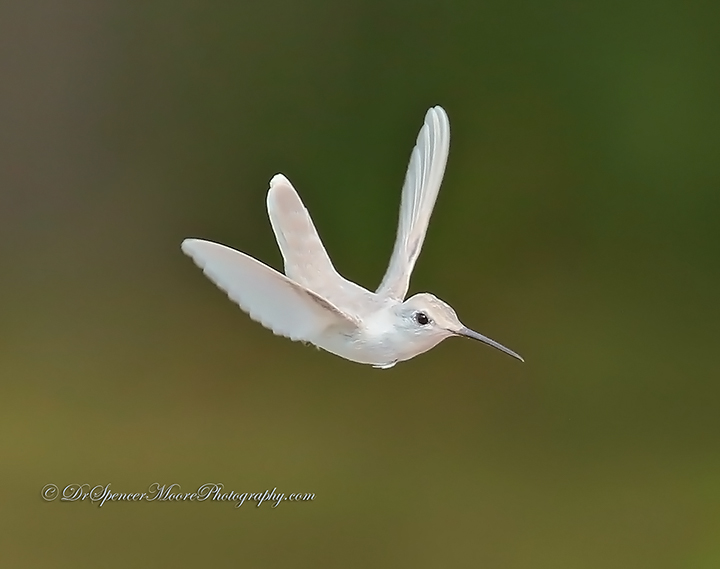
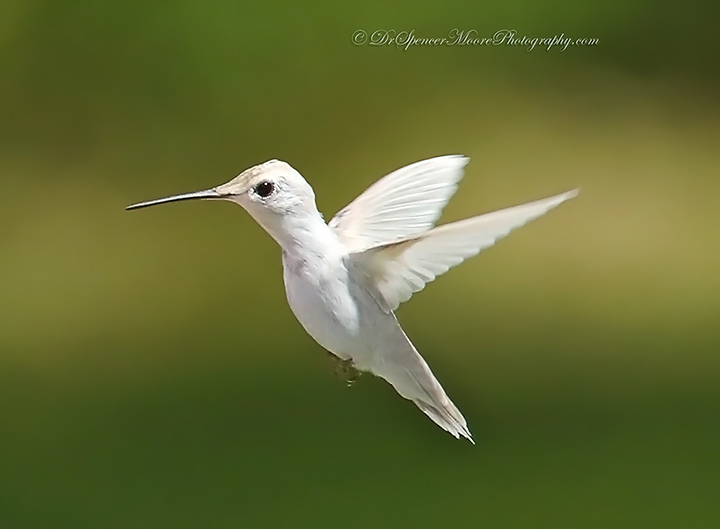
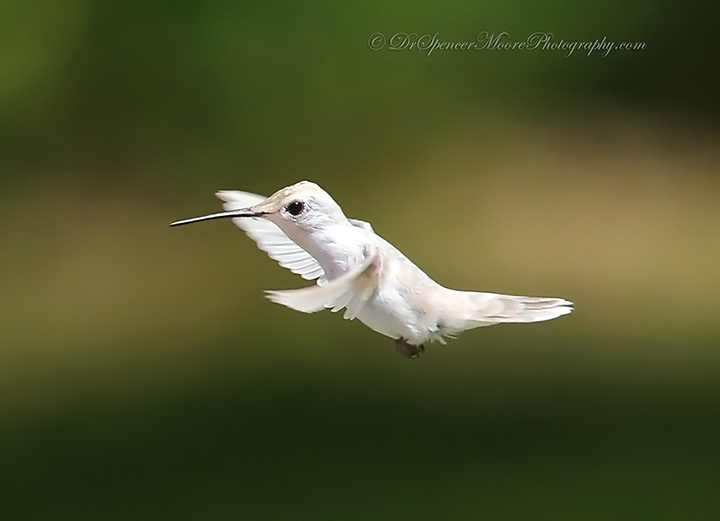
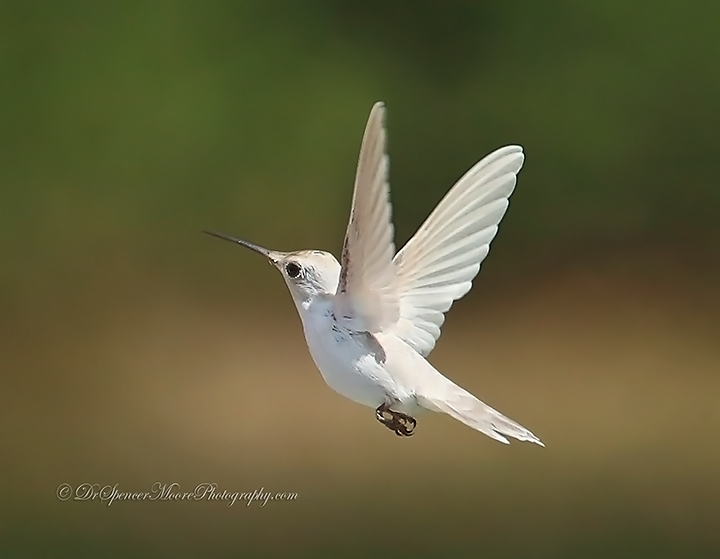
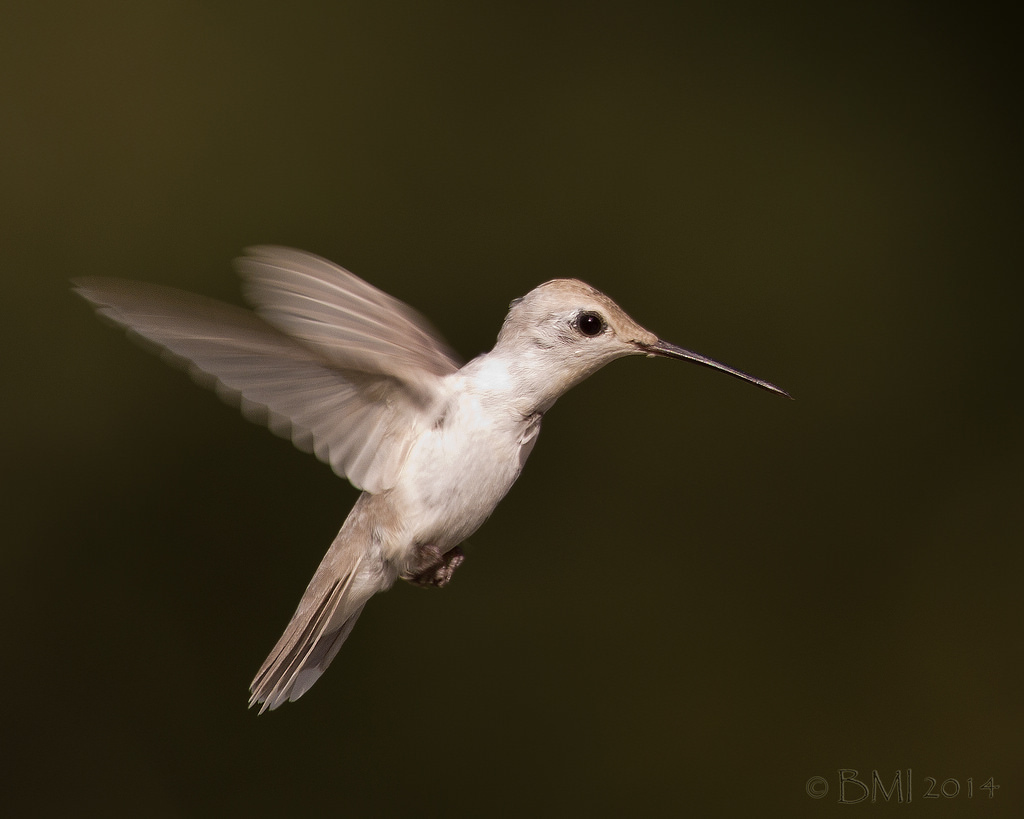
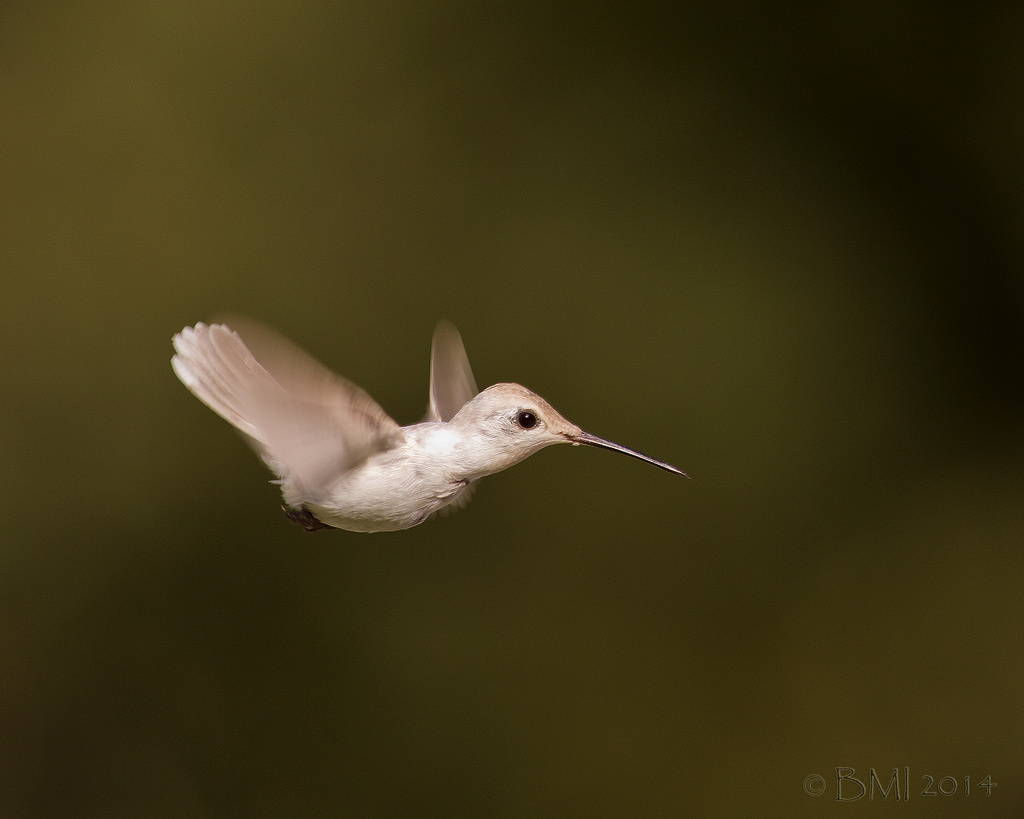
Meet Aggieland’s “Angel,” the rare white hummingbird whose story was chronicled earlier this week, as captured by Waco photographer Dr. Spencer Moore this week at the Country Star Bed and Breakfast. Dr. Moore is one of several Brazos Valley area photographers who have visited the Country Star this week for the opportunity to see this marvelous wonder of nature who has appeared each day since Saturday, August 16. See more photos of Angel and other subjects documented by Dr. Moore at his website, Dr. Spencer Moore Photography, or read his first-person observations as shared with Houston Chronicle science writer Eric Berger.

(Credit: Dr. Spencer Moore, http://www.drspencermoorephotography.com/)

(Credit: Dr. Spencer Moore, http://www.drspencermoorephotography.com/)

(Credit: Dr. Spencer Moore, http://www.drspencermoorephotography.com/)

(Credit: Dr. Spencer Moore, http://www.drspencermoorephotography.com/)

(Credit: Dr. Spencer Moore, http://www.drspencermoorephotography.com/)

(Credit: Dr. Spencer Moore, http://www.drspencermoorephotography.com/)

(Credit: Dr. Spencer Moore, http://www.drspencermoorephotography.com/)

(Credit: Dr. Spencer Moore, http://www.drspencermoorephotography.com/)

(Credit: Dr. Spencer Moore, http://www.drspencermoorephotography.com/)

(Credit: Dr. Spencer Moore, http://www.drspencermoorephotography.com/)

(Credit: Dr. Spencer Moore, http://www.drspencermoorephotography.com/)

(Credit: Dr. Spencer Moore, http://www.drspencermoorephotography.com/)

(Credit: Dr. Spencer Moore, http://www.drspencermoorephotography.com/)

(Credit: Dr. Spencer Moore, http://www.drspencermoorephotography.com/)

(Credit: Dr. Spencer Moore, http://www.drspencermoorephotography.com/)

(Credit: Dr. Spencer Moore, http://www.drspencermoorephotography.com/)

The Beauty of Rare Creatures and Social Networking

Science truly is all around us. The secret lies in being a Noticer — a term I’ve referenced before in this blog. And it’s collaborative by nature, too. (By the way, there’s an intended pun there. Read on to see. Oops, I did it again — ha!)

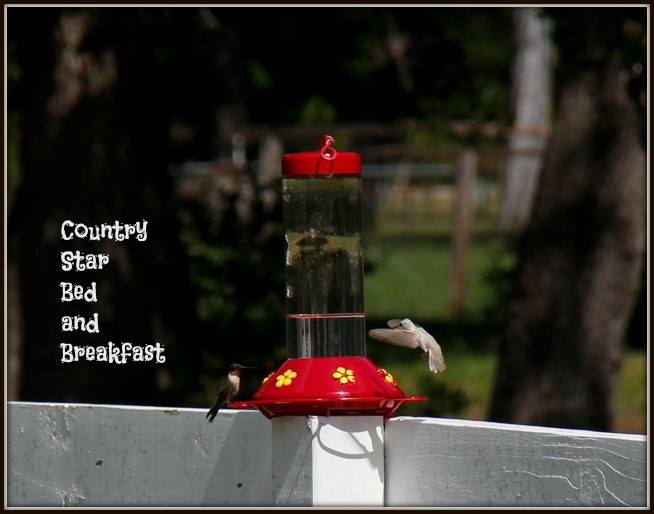
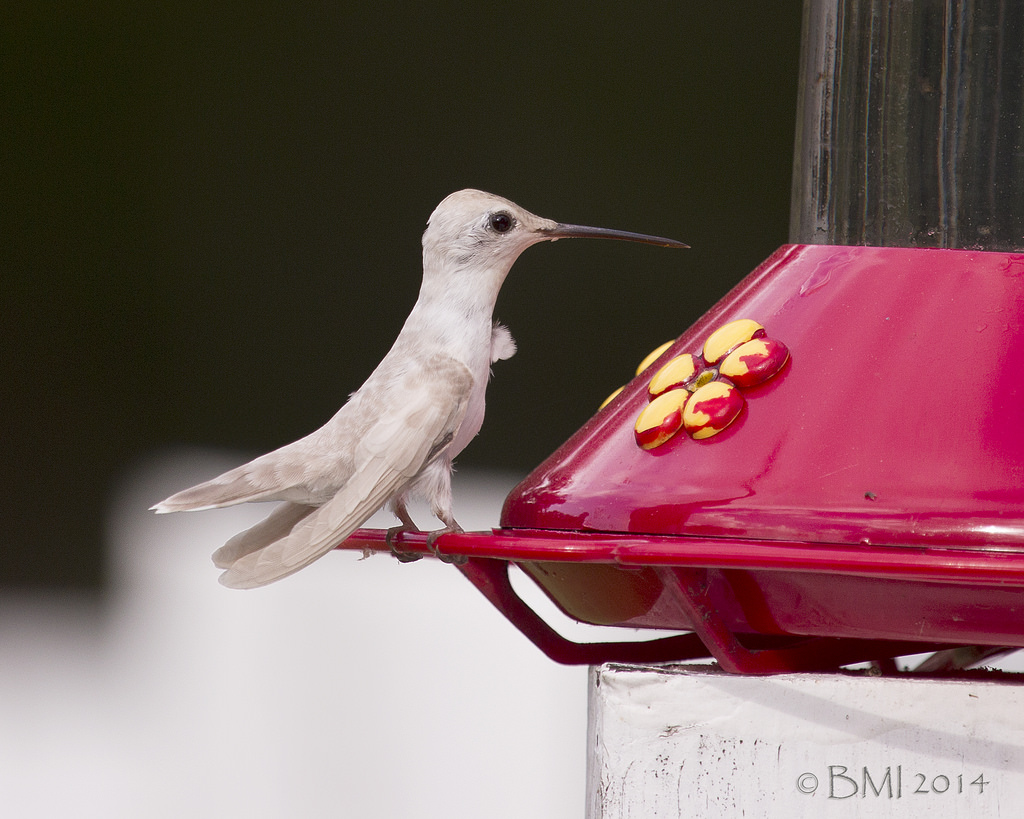
OK, enough with the cheesy humor and on with the real story. This past Saturday, Country Star Bed and Breakfast owners Cher and Doug McHan were shocked by an amazing sight at one of their property’s bird feeders — a white hummingbird. Albinism, a genetic condition that results in a lack of pigmentation in the skin, hair, scales or feathers of an animal, has been documented in many different species throughout the animal kingdom. When it comes to hummingbirds, most people have seen the more common jeweled-green and ruby-throated varieties, but this guy (or gal) — who’s more specifically a leucistic hummingbird, versus the extremely rare albino version characterized by pink eyes and feet — is novel by any standard, especially here in Aggieland.

Armed with her trusty sidekick — the Canon Rebel T4i camera she regularly uses to document the establishment’s most loyal visitors (deer) and other happenings for the B&B’s Facebook page and website — Cher snapped a few quick shots and posted them on social media. She also reported it to a white hummingbird banding website she found.

(Credit: Cher McHan.)

(Credit: Cher McHan.)

Saturday close-up. (Credit: Cher McHan.)

Saturday close-up. (Credit: Cher McHan.)

In short order, Cher’s Facebook friend David Harkins (a 1984 Texas A&M wildlife and fisheries sciences graduate) advised her to alert iNaturalist.org and the Birds of Texas Facebook group. He also put her in touch with his own friend, photographer Bill Morris, who visited the Country Star Monday to document the exceptional find. Meanwhile, Cher’s cousin, Doreen White, gave it a name: Angel.

(Credit: Bill Morris.)

(Credit: Bill Morris.)

(Credit: Bill Morris.)

(Credit: Bill Morris.)

(Credit: Bill Morris.)

(Credit: Bill Morris.)

Say what you will about social media’s intrusion into society, but so often it uses its powers for good. In this case, it helped put the exclamation point on that extraordinary in the everyday we talk about in our boilerplate. Good bull, er, hummingbird!

See additional images courtesy of Waco photographer Dr. Spencer Moore here.

(Credit: Cher McHan.)

(Credit: Cher McHan.)

Science: There’s a Magic to It

“It’s magic!”

It’s hard to hear yourself think, much less anything else, in a classroom full of sixth-graders, but that excited shriek caught my attention.

YAP_demo_PhysicsI was taking photographs of a Physics Show demonstration for the Youth Adventure Program (YAP) in the Mitchell Physics Building last month. The kids were in awe over a tiny cube-shaped magnet that was floating in midair around a circular disc. And indeed, it gave the appearance of something on the supernormal side of things.

“It’s not magic – it’s physics,” noted Dr. Tatiana Erukhimova, senior lecturer and champion of the Department of Physics and Astronomy’s premier outreach extravaganza.

Technically, that’s true. We actually were witnessing the principles of superconducting levitation at work. Superconductors expel magnetic fields, so when the disc is cooled to its point of superconductivity (with the help of some liquid nitrogen), the repulsion is so strong that the magnet appears to be suspended in air.

Science may be the fabric of what we know as “magic,” but it takes a lot of creativity Tatiana_YAP(and perhaps some charisma, too) to capture an audience’s imagination using only everyday objects, especially when that audience is hyperactive pre-teens. People like Tatiana, and also Dr. James Pennington who spearheads the Department of Chemistry’s Chemistry Roadshow, are masters of this.

To me, there’s a little bit of magic in that.

Small Wonders

Gallery

This gallery contains 11 photos.

“The Noticers of the world are rare and beautiful gifts. … Pausing to delight in the simple joys of everyday life is the only way to truly live.” — Rachel Macy Stafford, The Hands Free Mama * ~ * ~ … Continue reading

Texas, Our Texas

“When I moved here to East Texas over three years ago, I was a little homesick. I grew up in California and also worked and lived in Chile most of my life, and I never lived far from the ocean. Last year when I was in West Texas, I met an elderly woman who had grown up on a ranch west of Eldorado. She said that whenever she leaves Texas, she too feels homesick — not for the ocean but for the sky. I asked her why. She said that growing up on a ranch, especially at night, you have the sky from one horizon to the other horizon, and anywhere she goes, she feels penned in by city lights, fences and city buildings.

“The sky is really a part of the history of Texas. It is in our flag. It is in our music. It is really in the soul of Texas. And I am proud to be here at Texas A&M, helping to bring the sky back to this part of Texas.”

* ~ * ~ * ~ * ~ * ~ * ~ * ~ * ~ *

On December 4, 2009, Texas A&M University astronomer Nicholas B. Suntzeff put the icing on the celebratory cake with this absolutely perfect big-picture analogy, an excerpt of his remarks presented as part of the official dedication of the George P. Mitchell ’40 Physics Building and the George P. and Cynthia Woods Mitchell Institute for Fundamental Physics and Astronomy.

Nearly five years later, I think his grandiose words are just as fitting in capturing the magnificence of another stately project, Between Heaven and Texas, executed by another master of observation, Wyman Meinzer, the Official State Photographer of Texas whose life’s work involves appreciating and accentuating the Lone Star State’s beauty and sharing it with the world. If you haven’t already had the pleasure, meet Wyman and his most recent, resplendent take on Texas, our Texas.

Wyman Meinzer – Between Heaven And Texas from Wyman Meinzer on Vimeo.

Moon Dance

By now, I’m reasonably certain you’ve all seen just about all there is to see in the way of beautiful photographs depicting the recent total lunar eclipse. So wonderful that so many not only witnessed one of astronomy’s rare treats but also took the time to document it for posterity. In my case, it was with an iPhone camera to appease sleeping children and more than a little curiosity — theirs and mine. Technological innovation and one’s inner scientist make for a powerfully motivating combination!

But just in case you missed what I’d consider to be among the cream of the crop, here’s a double-shot of Lone Star State perspective, from wildflowers to Aggies. Everything’s bigger in Texas, if not better!

After staying out till 6 a.m. on April 15, photographing the different phases of the eclipse over a spectacular field of bluebonnets near Ennis, Texas, Mike Mezeul II created this fabulous composite that was making the rounds on Facebook, among other places. Prints are available at http://tinyurl.com/nkazyum. (Credit: Mike Mezeul II.)

After staying out till 6 a.m. on April 15, photographing the different phases of the eclipse over a spectacular field of bluebonnets near Ennis, Texas, Mike Mezeul II created this fabulous composite that was making the rounds on Facebook, among other places. Prints are available at http://tinyurl.com/nkazyum. (Credit: Mike Mezeul II.)

With a lot of forward planning and a solid nap the prior afternoon, Matai Chiang Wilson ’13 was able to stay up all night to photograph the five-hour-long eclipse as it occurred in conveniently clear skies over the Clayton W. Williams Jr. ’54 Alumni Center on the Texas A&M University campus. To see more of Wilson’s work, go to https://www.facebook.com/matai.c.wilson?fref=ts. (Credit: Matai Chiang Wilson.)

With a lot of forward planning and a solid nap the prior afternoon, Matai Chiang Wilson ’13 was able to stay up all night to photograph the five-hour-long eclipse as it occurred in conveniently clear skies over the Clayton W. Williams Jr. ’54 Alumni Center on the Texas A&M University campus. To see more of Wilson’s work, go to https://www.facebook.com/matai.c.wilson?fref=ts. (Credit: Matai Chiang Wilson.)

The Right to Wonder

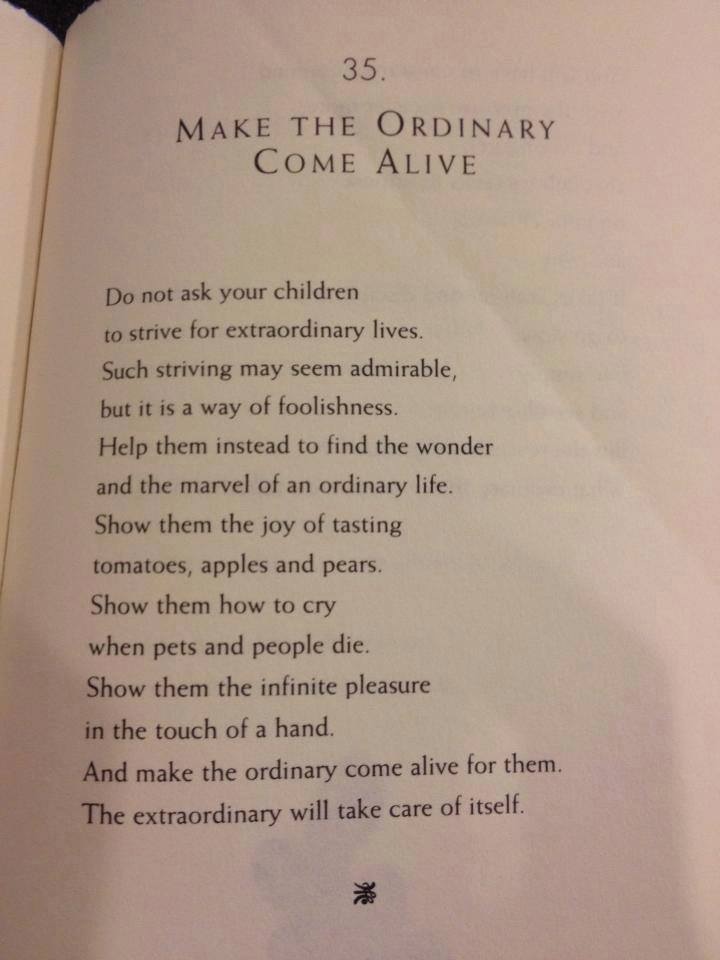
Wise words from author William C. Martin from his bestselling book, The Parent’s Tao Te Ching: Ancient Advice for Modern Parents. And not just for children and their parents, either.

To me, he’s describing science in a nutshell here. Uncannily like the opening sentence in the About section of this blog. Small world/wonder.

Oh, and did I mention that before he became a writer, Martin got his bachelor’s in engineering from the University of California at Berkeley?

Let’s be curious out there, folks. And encourage others, regardless of age, to do the same.

image

“Do you have agendas for your children that are more important than the children themselves? Lost in the shuffle of uniforms, practices, games, recitals, and performances can be the creative and joyful soul of your child. Watch and listen carefully. Do they have time to daydream? From their dreams will emerge the practices and activities that will make self-discipline as natural as breathing.”

A Royal Reign in Peril

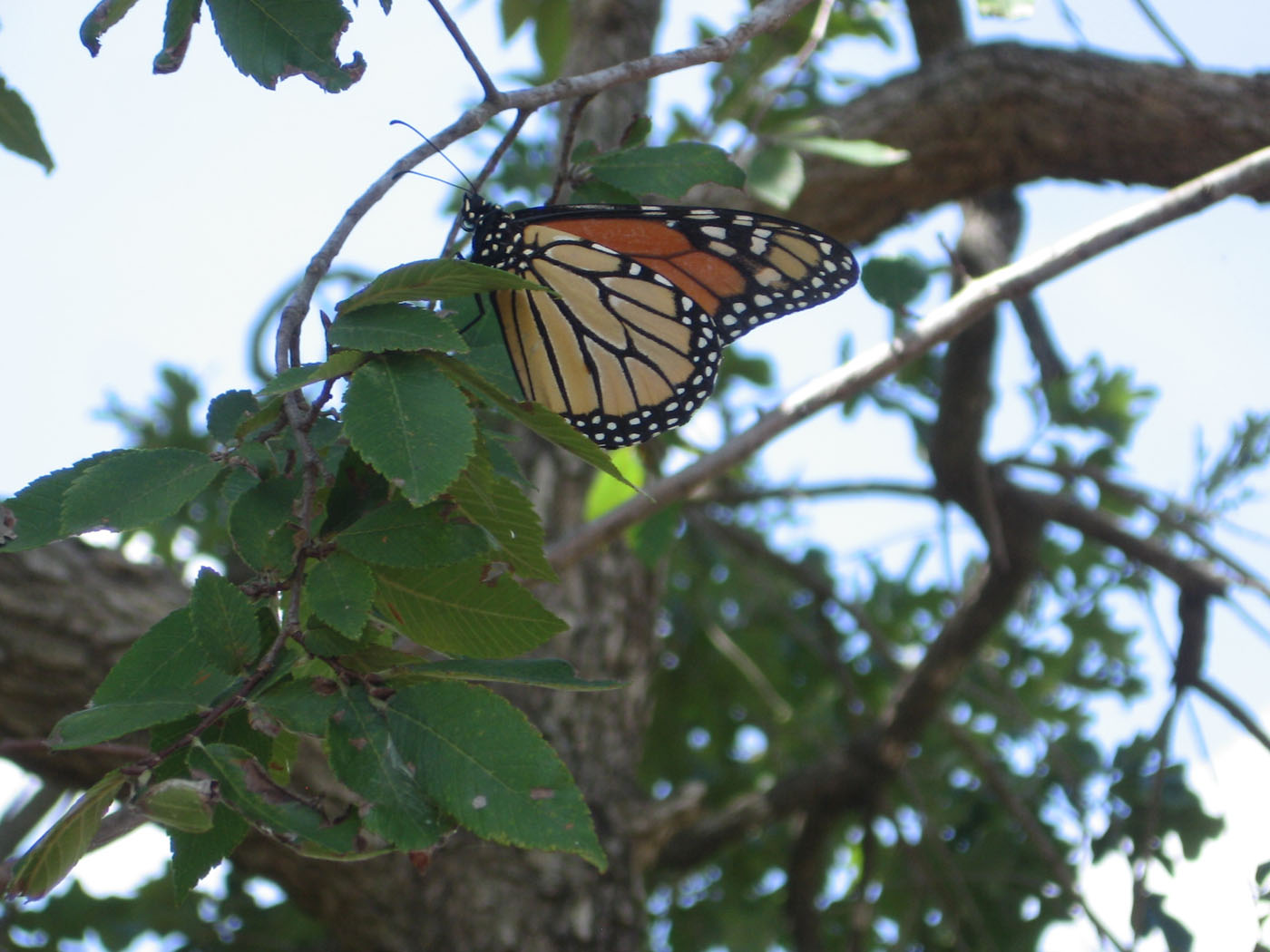
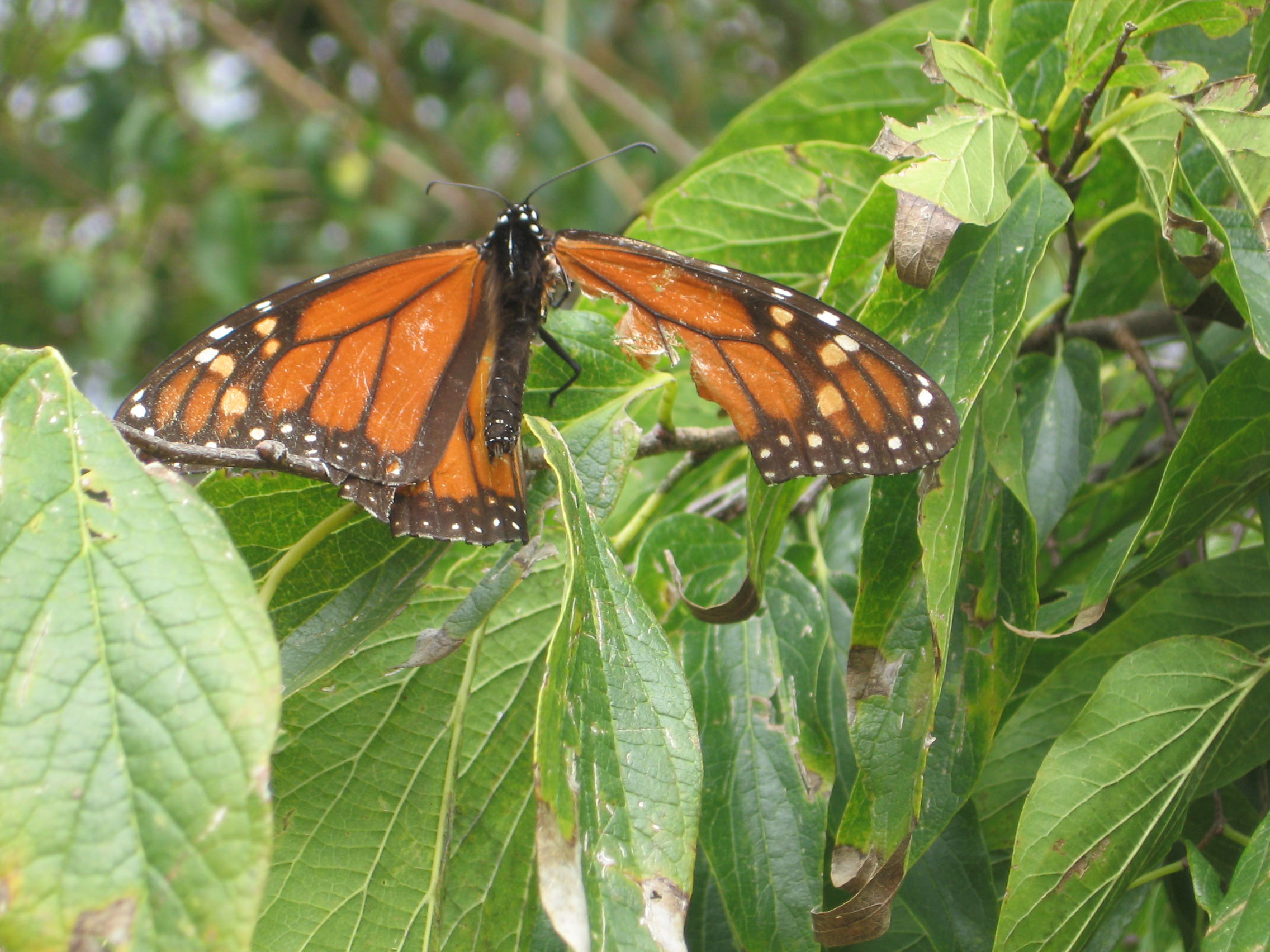
Texas A&M Center for Mathematics and Science Education (CSME) researcher Dr. Craig Wilson made international headlines once again last week with his dire predictions concerning this year’s Monarch butterfly numbers, which are at an all-time low across the Brazos Valley and nationwide.

Ever the idealist, Craig appeals below to the altruistic nature lover in all of us with a personal pitch that harkens back to another resilient Lone Star State crusader, Lady Bird Johnson, whom we have to thank for one of Texas’ proudest, most beautiful and time-honored rites of spring — Texas wildflowers.

* ~ * ~ * ~ * ~ * ~ * ~ * ~ * ~ *Monarch_Resting

In the fall of 2013, the number of adult Monarchs migrating through College Station that were netted and tagged was one-fifth of the number in 2012, coinciding with the data gathered nationwide showing that numbers were way down. This has been confirmed at the overwintering sites in the state of Michoacan, Mexico, where numbers were at historic lows. The combined areas sheltering Monarchs totalled only 1.65 acres, compared to a high of 45 acres in 1996. We now await the arrival of the first adults of the spring migration north, suspecting that they will be fewer in number. Last year, the first recorded sighting in College Station was on March 19 in the USDA People’s Garden on Holleman Drive that is open to the public.

Monarch Butterflies have reigned supreme amongst insects with a long distance migration that is the marvel of scientists, an increasingly aware population of civilian scientists and the public in general. But their reign is under the severest of threats since records have been kept, with numbers plunging so low that they may have reached a point where recovery may be impossible, in spite of the reproductive resilience of insect species that lay enormous numbers of eggs.

Who or what is to blame? There are a number of culprits. As the adults migrate south, they have to consume large quantities of nectar from wildflowers that are fewer in number because of use of herbicide in large-scale crop farming, especially in the Midwest, the biggest threat. In addition, more land has been brought into cultivation that formerly would have supported wildflowers and other wildlife. Then there is the severe drought and wildfires. Each of these events — individually and in combination — depletes available flowers and their nectar, which the Monarchs drink and then convert into lipids to help the butterflies survive overwintering.

What can be done nationwide? Large-scale farming is not going away, so a practice of leaving some crop acreage free of pesticides (note that this term is inclusive of herbicides and insecticides) needs to be increased. Perhaps interstate wildflower corridors could be established that would extend Lady Bird Johnson’s vision for the verges of Texas nationwide. Likewise, mowing of these same verges should be left until after the wildflowers have bloomed and seeded. This would also help the establishment of milkweed plants that are the sole source of food for Monarch larvae (caterpillars) during the migration north.

What can be done locally? Citizens can plant milkweed and other butterfly attractant plants in their gardens — simple actions viewed by some as futile, but every little bit helps, and it raises awareness. Since last spring, the Cynthia Woods Mitchell Garden (the Texas A&M campus’ first rooftop garden located at the George P. Mitchell ’40 Physics Building and open to the public) has been planted with more than 400 milkweeds, and four Bryan elementary schools also have established Monarch butterfly gardens. Sadly, the harsh winter means that the milkweeds have yet to start growing, so there may not be enough foliage to feed any Monarch caterpillars that do emerge from eggs.

The situation is dire.

THIS JUST IN: There’s an excellent front-page feature story on the subject by John Rangel in today’s Battalion.

Monarch_DamagedWing

Dakotalapse

“We fail in even the simplest of all scientific observations — nobody looks up anymore.” – Neil deGrasse Tyson

I came across this incredible time-lapse video by Randy Halverson while doing research for a story. Mesmerizing doesn’t quite do it justice. In fact, I’m not sure I have the words that would. Sit back and enjoy, preferably while watching in full-screen mode. You’ll thank me later.

The vimeo link includes some great background information from Mr. Halverson as well as appropriate credits.

Beyond that, um, wow. I’ll say it again, backwards. Wow. Totally blown away.